
Skip to content Skip to content
Serving Woburn & Greater BostonMA License #17347 · Licensed & Insured
Schedule an Appointment
Menu
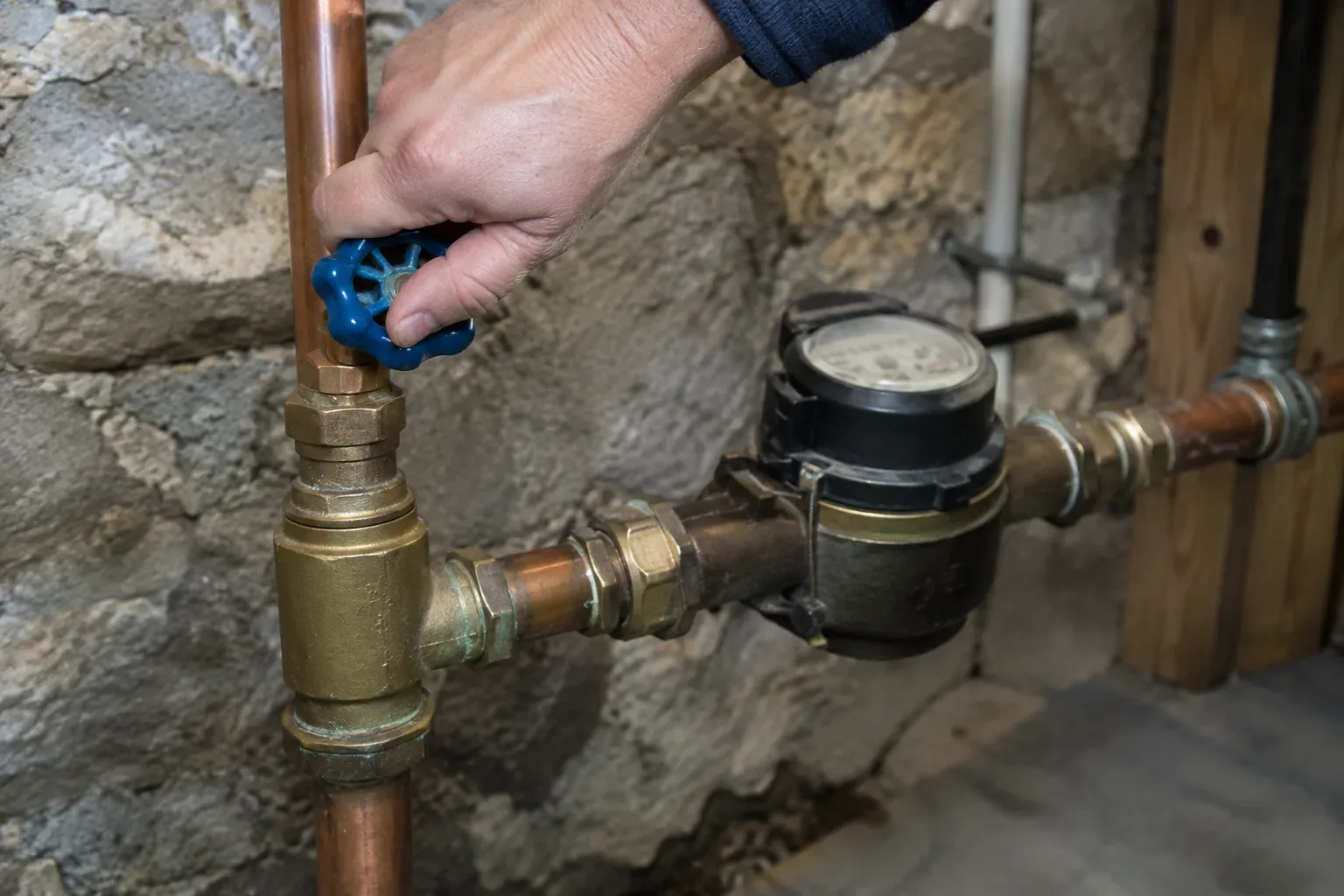
Homeowner locating the main water shutoff valve in a Greater Boston basement

Woburn, MA

Plumbing tips for Greater Boston homes

The everyday habits that prevent the plumbing calls we see most: keeping drains clear, protecting pipes from winter, spotting a leak while it is small, and knowing where your main shutoff is before you need it. Simple, honest, and worth the few minutes. Call (617) 354-4545.

Licensed & insuredPractical & honestWoburn-based

Know where your main shutoff is, before you need it

The single most useful thing a homeowner can know is where the main water shutoff is and that it actually works, because in a real emergency, a burst pipe or a supply line that lets go, the ability to stop the water in seconds is the difference between a mopped floor and a flooded one. Find your main shutoff now, usually where the water line enters the house, often near the water meter in the basement, and make sure everyone in the home knows where it is.

While you are there, try turning it. Older shutoff valves seize with age and mineral scale until they no longer close, which is the worst thing to discover during a leak. If yours will not turn, or turns but does not fully stop the water, that is a valve worth replacing on a calm scheduled visit rather than during an emergency. The same goes for the individual shutoffs under sinks and behind toilets and the washing machine.

Keep your drains clear the easy way

Most drain clogs are preventable with a few habits, and preventing them is far easier than clearing them. In the kitchen, keep grease, oil, and fat out of the drain entirely, they pour in warm and harden on the pipe wall as they cool, which is the single most common cause of a clogged kitchen line; scrape and wipe pans into the trash and pour cooled grease into a container. In bathrooms, use a simple screen over tub and shower drains to catch the hair that binds with soap into a clog. And flush only toilet paper, never wipes labeled flushable, which do not break down the way paper does and cause a large share of the backups we clear.

We also steer people away from repeatedly pouring caustic chemical drain cleaners. They seldom fully clear a clog, they can damage older pipe if they sit in a blocked line, and they make the eventual mechanical clearing more hazardous. A plunger is fine for a simple clog; a drain that is fully stopped or keeps coming back is worth a proper clearing, and if it recurs, a look at why.

  • Keep grease, oil, and fat out of the kitchen drain; scrape and wipe pans before rinsing
  • Use a screen to catch hair in tub and shower drains
  • Flush only toilet paper, never wipes labeled flushable
  • Avoid repeated caustic chemical drain cleaners, which can damage older pipe

Catch a leak while it is still small

The most expensive plumbing damage comes from the leaks nobody notices, so learning to spot the early signs pays off. Watch for a spot of moisture or a stain that appears and grows on a ceiling or wall, a musty smell in a cabinet or a closed room, a spike in the water bill with no change in use, or the faint sound of water running when everything is off. Any of these can mean a hidden leak worth finding before it does real damage to framing and finishes.

The braided supply lines behind toilets, under sinks, and feeding the washing machine deserve a specific look, because they are a common source of sudden water damage when they fail, and they weep before they burst. Glance at them now and then, and replace any that show corrosion or moisture. Catching these early is exactly the kind of small, cheap fix that prevents a large, expensive one.

Protect your pipes through a New England winter

Winter adds a failure mode the rest of the year does not: freezing. Before the first hard freeze, disconnect and drain garden hoses so the outdoor hose bibs do not freeze and split, and make sure pipes in unheated or exterior spaces, basements, crawlspaces, garages, and along cold outside walls, are protected. During a deep cold snap, keeping the heat on throughout the house and letting a faucet on an exposed line drip slightly can prevent a freeze, because moving water is far harder to freeze than still water.

And never let the house go without heat in freezing weather, which is why a no-heat call in a cold snap is a genuine emergency rather than something to leave until morning. If a pipe does freeze, our burst and frozen pipe page covers what to do. For the fuller seasonal picture across all your systems, see our seasonal maintenance guides. When a problem is past the do-it-yourself line, Prime Plumbing is licensed and insured, holds Massachusetts license #17347, and is a call away at (617) 354-4545.

Common questions

Homeowner plumbing questions.

Quick answers to the questions behind these tips.

Where is my main water shutoff usually located?

Most often where the water line enters the house, frequently in the basement near the water meter. Find it now, make sure everyone in the home knows where it is, and try turning it, because an older valve that has seized is the worst thing to discover during a leak. If it will not turn or fully stop the water, it is worth replacing on a calm visit.

What is the best way to prevent clogged drains?

Keep grease, oil, and fat out of the kitchen drain, use a screen to catch hair in tubs and showers, and flush only toilet paper, never wipes labeled flushable. Those three habits prevent most of the clogs we clear. We also suggest avoiding repeated caustic chemical drain cleaners, which can damage older pipe and rarely fully clear a clog.

How can I tell if I have a hidden leak?

Watch for a growing stain on a ceiling or wall, a musty smell in a cabinet or closed room, a water bill that spikes with no change in use, or the sound of running water when everything is off. The braided supply lines behind toilets and under sinks are worth a specific look, since they weep before they burst. Catching these early prevents expensive damage.

How do I keep my pipes from freezing in winter?

Before the first freeze, disconnect and drain garden hoses, and make sure pipes in unheated or exterior spaces are protected. In a deep cold snap, keep the heat on throughout the house and let a faucet on an exposed line drip slightly, since moving water resists freezing. Never let the house go without heat in freezing weather, which is why a no-heat call then is a real emergency.

Ready when you are

Past the do‑it‑yourself line?

When a plumbing problem needs a licensed hand, call our Woburn team at (617) 354-4545, or schedule online.